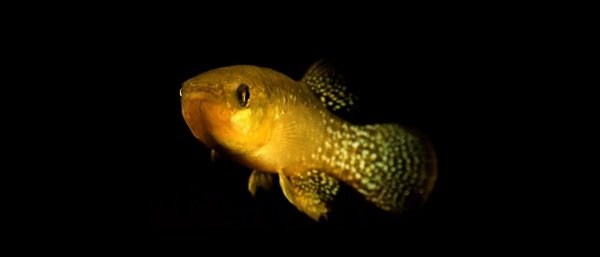
In the murky depths of Virginia's Elizabeth River, a small fish has defied the odds. Despite water so contaminated it once hosted a wood treatment facility and a Navy waste dump, the killifish not only survives but thrives. Scientists have now uncovered the genetic secret behind this resilience, revealing a rapid evolutionary response to human-made pollution.
The Elizabeth River, listed under the Environmental Protection Agency's Superfund program, is among the most toxic waterways in the United States. Yet killifish there withstand pollution levels 8,000 times higher than the lethal limit for most aquatic life. Similar populations have been found in other former industrial sites, including New Bedford Harbor in Massachusetts, Bridgeport, Connecticut, and Newark Bay in New Jersey.
A Genetic Adaptation to Pollution
By sequencing and comparing the genomes of these hardy killifish with those from unpolluted waters, researchers identified a common mutation. This genetic change, rare in normal populations, deactivates a molecular pathway that would otherwise cause cellular damage from toxic chemicals. The mutation effectively shuts down the mechanism that lets pollutants wreak havoc on the fish's cells.
The discovery, published in a recent study, offers a clear example of evolution in action. But it also carries a sobering message: humanity's footprint on the environment is so profound that it is driving the evolution of other species. In adapting to polluted habitats, killifish have become slightly less genetically diverse, a trade-off that could affect their long-term survival.
What This Means for Other Species
Killifish possess a rare ability among animals to adapt and mutate for survival, a trait that hinges on genetic diversity. This adaptability may explain why they can colonize environments that would be lethal to most other creatures. However, scientists caution that not all species are so fortunate. As ecosystems shift rapidly due to climate change and pollution, many animals may not evolve quickly enough to keep pace.
The findings could help researchers predict which species are more likely to survive future environmental changes. They may also provide insight into how chemical pollutants affect both humans and animals, potentially informing public health and conservation strategies.
For now, the killifish stands as a testament to nature's resilience—and a stark reminder of the challenges that lie ahead for less adaptable species.















Comments (0)