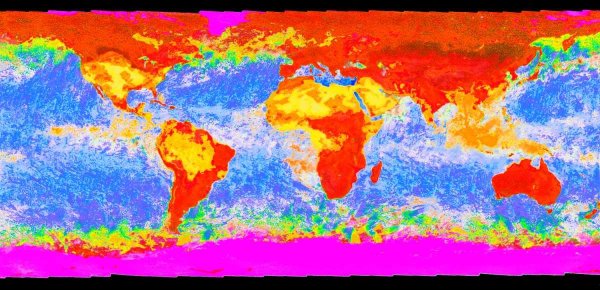
New data from NASA, compiled by The Guardian, confirms that 2017 was the second hottest year ever recorded, and the hottest year on record when excluding those influenced by El Niño. The margin over 2014, the previous non-El Niño record holder, was 0.17°C (0.306°F), making 2017 also hotter than 2015, a year marked by one of the strongest El Niño events in history.
El Niño, a natural climatic oscillation known as the El Niño Southern Oscillation (ENSO), swings between warm, neutral, and cold (La Niña) phases. While not caused by climate change, its effects can mimic the impacts of a warming world, as seen in the 2015 drought in southern Africa. The new record suggests that even without El Niño's short-term warming boost, global temperatures are reaching alarming highs.
The significance of this becomes clearer when comparing 2017 to 1972, a year with similar solar activity and ENSO neutrality. According to Guardian writer Dana Nuccitelli, 2017 was on average 0.9°C (1.62°F) hotter than 1972, highlighting the stark warming trend over four decades.
Human Behavior Enters Climate Models
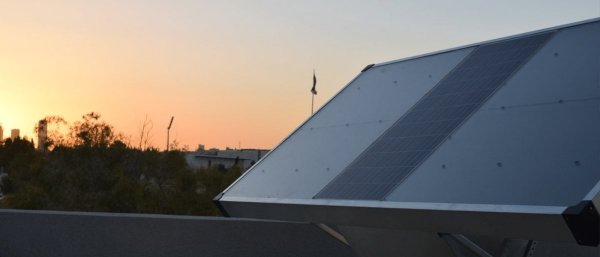
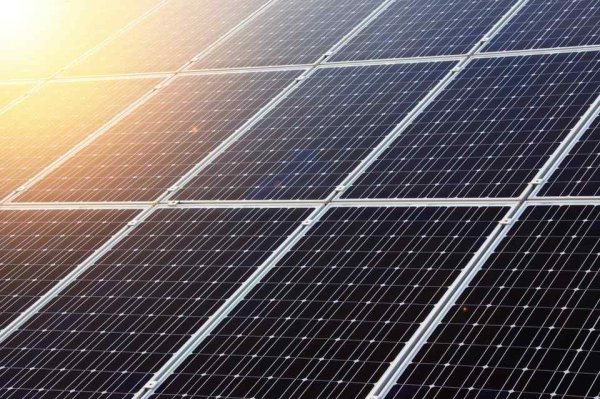
Amid these dire figures, a new study published in Nature Climate Change introduces a novel variable: human behavior. For the first time, researchers combined the uncertainties of physical climate response with potential human choices, such as installing solar panels or insulating homes. This integrated model projects global temperature increases by 2100 ranging from 3.4°C to 6.2°C (6.1 to 11.2°F), compared to a fixed 4.9°C (8.8°F) from traditional climate models alone.
The wide range underscores the critical role of human action. The study indicates that long-term investments like home insulation and hybrid vehicles yield the greatest benefits, while short-term adjustments like thermostat changes have a smaller impact. This suggests that collective, sustained efforts could significantly alter our climate trajectory.
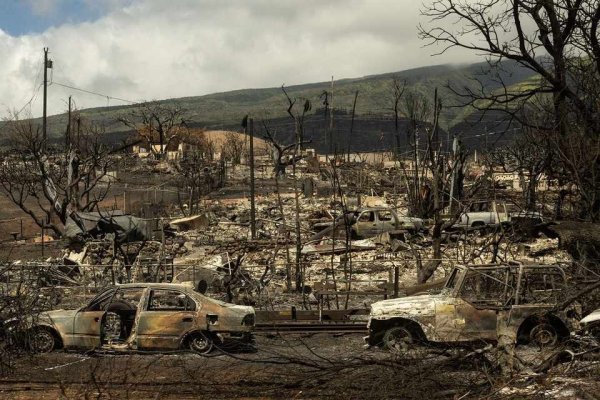
However, individual actions alone are insufficient. As polar ice caps melt at unprecedented rates and wildfires cause incalculable damage, the need for coordinated governance and private sector involvement becomes paramount. Historical precedents like the Montreal Protocol demonstrate that ambitious international agreements can succeed, yet current policies remain inadequate.
Scientists warn that record-breaking temperatures could become the norm by 2030. With some world leaders refusing to participate in climate mitigation efforts, the window for meaningful action is narrowing. The new study offers a glimmer of hope, but it also serves as a stark reminder that inaction will only exacerbate the crisis.














Comments (0)