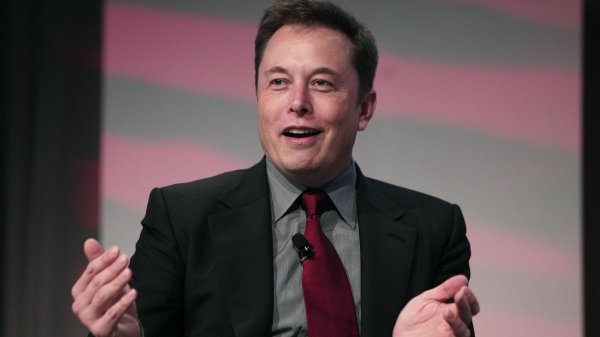
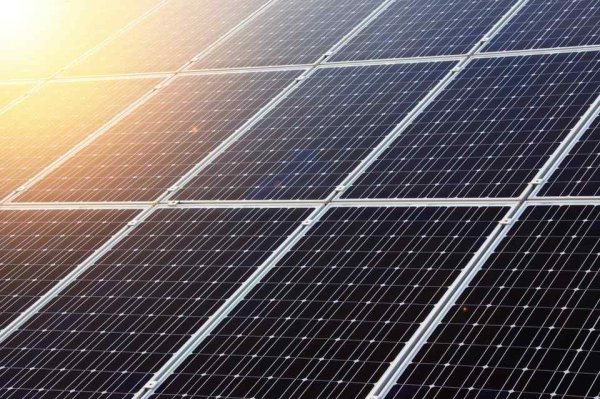
Electric vehicle maker Tesla has closed its $2.6 billion acquisition of SolarCity, a rooftop solar installer, marking the formation of a single company that will offer home solar panels, battery storage, and electric cars under one brand. The all-stock deal, first reported in June, was finalized after shareholder approval, with Tesla now holding 93.5 percent of the combined entity and SolarCity shareholders owning the remaining 6.5 percent.
The merger brings together two firms with close personal ties: Elon Musk, Tesla's chief executive, also serves as chairman of SolarCity, which was co-founded by his cousins Lyndon and Peter Rive. Despite the family connection, the companies have argued that the combination is a strategic fit rather than a nepotistic move, citing the complementary nature of their products.
In a joint statement, the companies said that “solar and storage are at their best when they are combined,” and that the timing is right as Tesla prepares to scale its Powerwall and Powerpack stationary storage products while SolarCity rolls out next-generation solar solutions. The integration aims to offer customers a single point of contact for installation, service, and app-based monitoring, eliminating the need for separate contracts and vendors.
For Musk, the acquisition is a key step toward his stated goal of “accelerating the possibility of a sustainable energy world,” a vision that hinges on making renewable energy generation, storage, and consumption seamless. By merging the two operations, Tesla can now bundle solar panels with its home battery and vehicle charging systems, potentially simplifying the customer journey and reducing overhead costs.
Why the Deal Matters for Clean Energy Adoption
The merger is not just a business transaction; it reflects a broader industry shift toward integrated clean energy solutions. Traditionally, homeowners had to purchase solar panels from one company, a battery from another, and an electric vehicle from a third, each with its own installation, warranty, and monitoring system. Tesla's move consolidates these elements into a single ecosystem, which could lower barriers for consumers who might otherwise be deterred by complexity.
Analysts have noted that the deal also gives Tesla greater control over the solar supply chain and installation process, allowing it to offer a more cohesive product line. However, some investors had questioned the wisdom of the acquisition, given SolarCity's debt load and the potential for distraction from Tesla's core automotive business. The company has not disclosed how it plans to address those concerns, but the merger is now official.
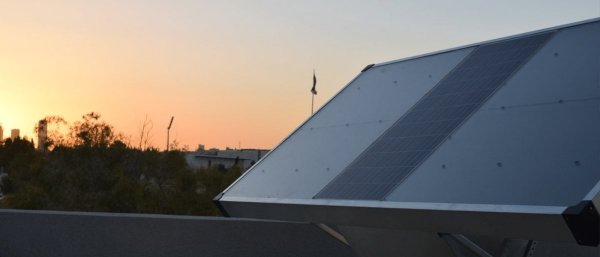
As of the closing, SolarCity's operations will be folded into Tesla's energy division, and the combined company will continue to market its products under the Tesla brand. The move is expected to accelerate the rollout of solar roof tiles, which Musk has touted as a next-generation product that could replace traditional roofing materials.
With the merger complete, Tesla now offers a vertically integrated clean energy package, from solar generation to battery storage to electric transportation. Whether this bet pays off will depend on consumer uptake and the company's ability to execute on its ambitious product roadmap.










Comments (0)