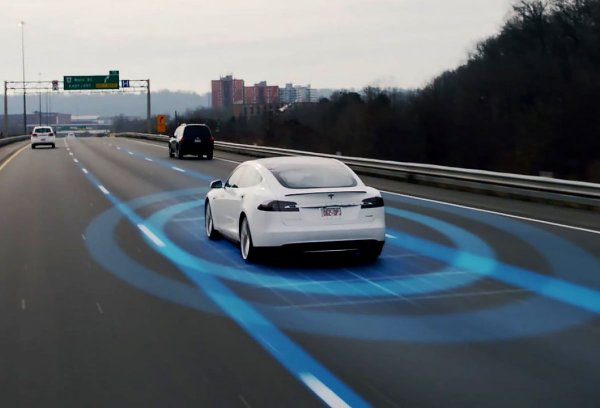
In a move that has captured the attention of the tech and automotive sectors, Elon Musk has resigned from the board of OpenAI, the non-profit artificial intelligence research organization he helped co-found. The announcement, made on Tuesday via OpenAI's official blog, cited the need to eliminate a potential future conflict as Tesla continues to pivot toward AI-centric projects. Musk, who has been a primary benefactor and a key architect of OpenAI's vision, will maintain his role as a donor and advisor to the organization.
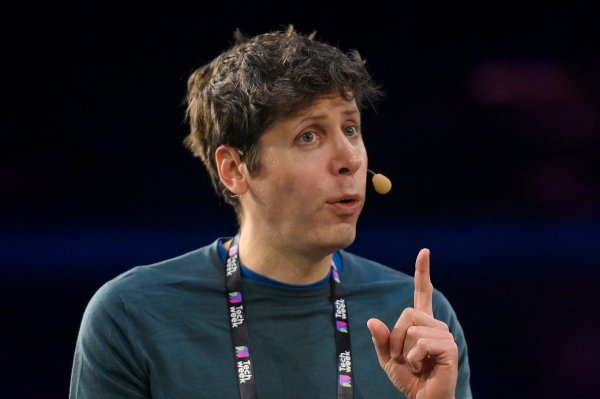
The board now comprises Greg Brockman, Ilya Sutskever, Holden Karnofsky, and Sam Altman, all of whom were part of the original founding team. OpenAI has indicated plans to not only fill Musk's vacated seat but also to expand the board's size in the coming months, signaling a period of organizational growth.
Since its inception in 2015, OpenAI has positioned itself as a leading voice in the responsible development of artificial intelligence, attracting support from prominent figures across the tech industry. The organization has been particularly vocal about the potential risks associated with AI, and earlier this week, it co-published a report with a coalition of international AI experts outlining the malicious uses of the technology and strategies to mitigate them.
Why Musk's Exit Matters for Tesla
While Musk's departure from OpenAI might seem like a loss for the non-profit, industry observers are interpreting the move as a strategic signal for Tesla. The official reasoning—'a potential future conflict for Elon'—suggests that Tesla's own AI initiatives are advancing to a point where overlapping interests could become problematic. This has fueled speculation that Tesla is accelerating its efforts toward achieving Level 5 autonomy, a milestone that would allow vehicles to operate without any human intervention.
Tesla's customer base has already shown a strong appetite for AI-enhanced features. More than 35,000 customers have paid $3,000 each for the 'fully self-driving capability' package, a feature that is not yet functional but is expected to be delivered via over-the-air updates. If Musk's board exit is an indicator of Tesla's progress, those early adopters could see their investment pay off sooner than anticipated.
The timing of the announcement, coinciding with the release of OpenAI's report on AI safety, underscores the growing intersection between corporate AI development and public policy concerns. As Tesla continues to push the boundaries of what's possible with autonomous driving, the industry will be watching closely to see how these developments unfold.
Comments (0)