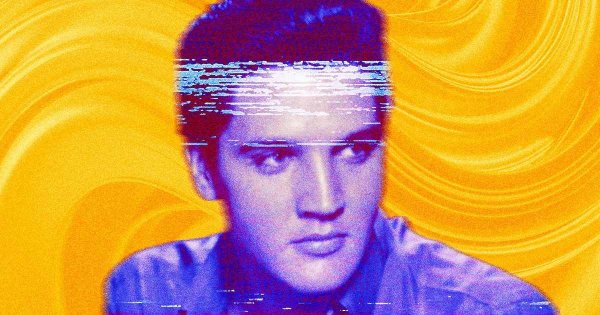
British immersive experience company Layered Reality has announced plans to bring Elvis Presley back to the stage through an AI-driven hologram production titled "Elvis Evolution." The show, which will use archival footage of the late singer, is scheduled to appear in London, Tokyo, and Las Vegas, according to The Guardian.
The announcement follows the release of Sofia Coppola's biopic "Priscilla," which chronicles the relationship between Elvis Presley and Priscilla Presley, who met when she was 14 and he was 24. The timing has sparked renewed discussion about the personal lives of iconic musicians and the ethics of posthumous entertainment.
Layered Reality describes the production as a "memory-making experience" and a "bucket-list item" for fans. The company's promotional materials promise a "personal invite to the After Party" that takes place 46 years after Presley's death, though no further details have been provided about what that event entails.
The project has received approval from Authentic Brands Group, the conglomerate that has owned the Elvis estate for the past decade. This is not the first time technology has been used to resurrect deceased artists; similar holographic concerts have been attempted with other musicians, and the trend is growing.
Posthumous Performances: A Growing Trend
Mick Jagger of The Rolling Stones, who is still alive at 80, commented on the phenomenon in an interview with The Wall Street Journal last September, noting that "You can have a posthumous business now, can't you? You can have a posthumous tour." Jagger's remarks highlight the commercial potential of such ventures.
However, the trend is not without controversy. Jagger himself has faced allegations of inappropriate relationships with minors. In early 2020, actress Rae Dawn Chong stated that she had a sexual encounter with Jagger when she was 15 and he was 33, though she described it as consensual. Similarly, Presley's relationship with Priscilla began when she was a teenager, though Priscilla has maintained that they did not have sexual relations until their wedding night, when she was 21.
These historical details raise questions about the cultural context in which these artists operated and how modern audiences should reconcile their legacies with their personal actions.
Investments and Audience Appeal
Millions of dollars have already been invested in holographic concerts, and the market is expected to expand significantly as the technology becomes more accessible. The appeal of such performances lies in nostalgia, allowing fans to experience the music of past eras in a new format.
Yet, as these productions become more common, some observers wonder whether the nostalgia they evoke also romanticizes a time when social norms around age and consent were different. The "Elvis Evolution" tour, with its promise of an "After Party," may invite such reflection, though Layered Reality has not elaborated on the specifics.
The show is part of a broader wave of AI-driven resurrections of musicians, including the Beatles' John Lennon, whose holographic presence has been proposed in various forms. The trend suggests that technology will continue to blur the lines between past and present, offering audiences new ways to engage with cultural icons.












Comments (0)