Federal prosecutors in Virginia are investigating why Meta's advertising platforms continue to sell illegal drugs, including cocaine and prescription opioids, some of which have been found to contain fentanyl. A new report from the Wall Street Journal reveals that despite the probe, ads for these substances were still running on Facebook and Instagram as recently as last week. The ads bypass Meta's automated filters by using images and coded language, and they often direct buyers to third-party messaging apps like Telegram.
The report highlights a troubling loophole: dealers post photos of their products without text descriptions that would trigger Meta's AI censors. For example, one ad showed the letters “DMT” spelled out in a powdered substance, a reference to the hallucinogen N,N-Dimethyltryptamine. After clicking, users are often redirected to dealer chat feeds on Telegram, a platform Meta does not own, where transactions are completed. The Wall Street Journal noted that buyers use the term “TD” or “touchdown” to confirm delivery.
Meta's own policies explicitly ban such ads, yet the company has acknowledged the problem. In a statement to the Wall Street Journal, a Meta spokesperson said, “Our systems are designed to proactively detect and enforce against violating content, and we reject hundreds of thousands of ads for violating our drug policies. We continue to invest resources and further improve our enforcement on this kind of content.” However, the Tech Transparency Project, a watchdog group, found that between March and June, more than 450 such ads were running on Meta's Ad Library.
Teen's Death Raises Stakes
The financial gain from these ads is overshadowed by a human toll. Last fall, 15-year-old Elijah Ott of California died of an overdose after buying what he thought were marijuana oil and a Xanax-like drug through Instagram messages. His autopsy revealed a fatal amount of fentanyl in his system. His mother, Mikayla Brown, believes the drugs were laced with the opioid. She told the Wall Street Journal, “Because of this app, my child does not get to live.”
Disturbingly, the accounts that Elijah had contacted remained active for months after his death. Meta only removed them after the Wall Street Journal alerted the company. This pattern—removing ads only after media scrutiny—has become a recurring issue for the tech giant, raising questions about the effectiveness of its proactive enforcement.
The investigation by Virginia prosecutors adds legal pressure, but the persistence of these ads suggests that Meta's automated systems are not fully equipped to detect the creative tactics used by sellers. The company's reliance on image-based ads and coded language appears to be a significant gap in its moderation.
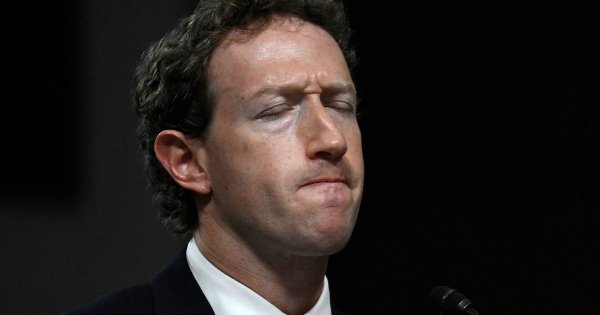
For parents like Mikayla Brown, the issue is personal and urgent. The Senate hearing earlier this year, where parents confronted Meta CEO Mark Zuckerberg about harms on his platforms, underscores the broader concern. While Meta maintains it is investing in better enforcement, the latest findings indicate that the problem is far from resolved.


















Comments (0)