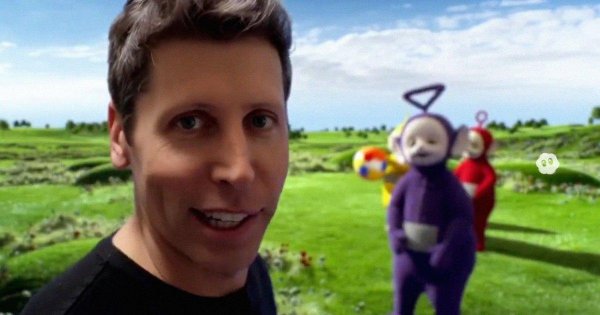
OpenAI's Sora 2, a text-to-video app, has rocketed to the top of Apple's App Store, but its popularity is proving expensive. Within days of launch, the app's feed filled with user-generated clips featuring copyrighted characters and real people, and the company is now grappling with how to turn the viral sensation into a sustainable business.
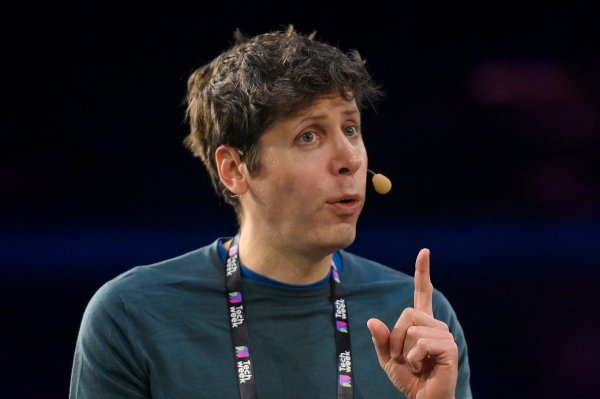
CEO Sam Altman, in a blog post, acknowledged the challenge: “We are going to have to somehow make money for video generation,” he wrote. “People are generating much more than we expected per user, and a lot of videos are being generated for very small audiences.” The admission comes as OpenAI faces the reality that each AI-generated video requires significant computing power, and the sheer volume of usage is driving up costs.
The compute burden is substantial. Research from Hugging Face, an open-source AI platform, found that the energy demands of text-to-video generators quadruple when video length doubles, indicating a quadratic increase in power consumption. With Sora 2 users generating countless clips, OpenAI is likely facing massive compute bills.
Copyright Concerns Add to the Pressure
Beyond the financial strain, Sora 2 has ignited a firestorm over intellectual property. Early content included depictions of SpongeBob SquarePants in a meth lab, full episodes of South Park, and violent portrayals of physicist Stephen Hawking. The app's initial lack of content moderation allowed such material to proliferate, prompting OpenAI to implement guardrails after the fact.
Copyright lawyer Aaron Moss, in a recent article, noted the company's “ask-for-forgiveness-later approach” and the widespread user frustration as content blocks were enforced. The legal landscape is already hostile: Warner Bros. Discovery, Disney, and NBC Universal have filed lawsuits against AI companies, including Midjourney, for infringement.
Altman has floated the idea of sharing revenue with rightsholders, similar to YouTube's ad-monetization program for videos using copyrighted material. The proposal would give studios a financial incentive to allow their characters to be used, potentially offsetting OpenAI's costs while providing legal cover. However, Moss cautioned, “There’s a world of difference between studios collecting YouTube ad revenue on video clips they produce and control, and handing over their characters for anyone to freely manipulate in exchange for a few bucks.”
Public reaction on social media has been skeptical. One user questioned, “Why on earth would any brand pay for their IP to be surfaced by a user prompt upon their requests?” Another added, “Why would I, as a multibillion-dollar rightsholder, not just take you to the cleaners?”
OpenAI's path to profitability for Sora 2 remains unclear. The company has not detailed how it will generate revenue, whether through advertising or user fees. Meanwhile, Meta's competing Vibes app, launched less than a week earlier, has already faded into obscurity, underscoring the volatile nature of the AI social media space.





Comments (0)